ACHACHA
Garcinia Humilis. Family: Clusiaceae Other names include Achachairu, Abricot, Bolivian Mangosteen
.jpg)
.jpg)
.jpg)
The word achachairu means “honey kiss” and comes from the Guarani language spoken in Bolivia and Paraguay. It also means “happiness” in some local dialects, reflecting the joy this fruit brings to those who eat it. It has been a revered crop consumed by Amazonian people since prehistoric times. Its popularity has been confined to local communities until the last few decades, when its excellent qualities and commercial potential have made it more popular in tropical and subtropical countries around the world.
The achachairu originated in the lowland Amazonian regions of eastern Bolivia. Wild populations are found dispersed throughout the Amazonian region and other tropical areas of South and Central America. This species is not at all invasive and is not on the new state or federal list of invasive or potentially invasive species.
This tropical fruit boasts a wealth of nutritional and health benefits that make it a standout choice among exotic fruits. The fruit’s pulp is not only refreshing but also dense with a variety of essential nutrients. Rich in vitamin C, Achacha is an excellent antioxidant source, aiding in the prevention of oxidative stress and enhancing the immune system. Its low-calorie profile, coupled with high fiber content, promotes digestive health while aiding in weight management by increasing the feeling of fullness after meals.
.jpg)
.jpg)
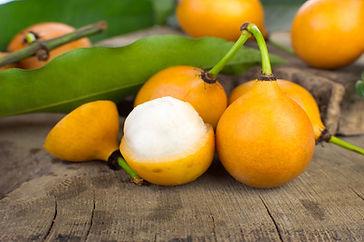
The taste is strongly sweet and tart, with more citrus-like acidity than the purple mangosteen. The rather tough, bitter rind can be split open with a knife or with the teeth, and the edible part of the fruit consumed with the seed.
The Queensland Department of Agriculture, Fisheries and Forestry has found that the fruit keeps well for four to six weeks as long as it stays out of the fridge. It recommends storing the fruit at 15 to 20 degrees Celsius with a high relative humidity. If these conditions are not met, the fruit will shrivel.
The glossy orange rinds of the achacha may be put in a blender with water. Once pureed and then strained to remove all of the solids, this liquid may be diluted and sweetened to one's taste, then chilled for a refreshing summer drink
The fruit also contains significant levels of potassium, which is crucial for maintaining cardiovascular health and regulating blood pressure. The presence of folate in Achacha supports metabolic functions and contributes to the production and repair of DNA, making it particularly beneficial during pregnancy for fetal development. Moreover, Achacha’s anti-inflammatory properties can help reduce the risk of chronic diseases, providing a holistic approach to health that appeals to those aiming to maintain a balanced and nutritious diet.
Currently, the conservation status of Garcinia humilis has garnered attention due to overexploitation and habitat loss. Conservation efforts are underway to protect its natural habitats and promote sustainable cultivation practices. Efforts to cultivate achacha are also contributing to its preservation, encouraging the growth of this beautiful tree outside its native range. Culturally, Achacha embodies the transition from indigenous tradition to modern sustainability. In Bolivia, it remains a cherished local fruit sold in markets and used in community festivities. In Australia, it has become a symbol of tropical innovation, marketed for its eco-friendly cultivation and minimal waste—the rind, pulp, and seeds all having secondary uses. The fruit’s pleasant acidity and refreshing quality have earned it a reputation as “the mangosteen’s bright cousin,” celebrated for flavor, resilience, and global adaptability.
.jpg)